
































































Bingo Explained: A Simple English Guide with Real-Life Examples

Bingo: A Simple English Overview with Real-Life Details
Bingo is a game of chance that many people enjoy in places like churches, community centers, and family gatherings. In everyday English, “bingo” is both the name of the game and the shout players make when they win. For example, in a church fundraiser, a player might shout “Bingo!” after marking a completed row on their card, signaling a prize is about to be given.
What a Bingo Card Looks Like and How It Works
A standard bingo card is a grid, usually 5 columns by 5 rows, labeled B, I, N, G, and O. Each column contains random numbers: B (1–15), I (16–30), N (31–45) with the center space often free, G (46–60), and O (61–75). For instance, an example row might read: B5, I22, N34, G58, O72. Players mark called numbers on their cards, using chips, daubers, or even a finger, so they can see when a winning pattern appears.
Common Ways People Win
- A single line: a horizontal, vertical, or diagonal row of five marked spaces.
- A full card, known as blackout: every square is marked.
- Pattern-based wins: some games require shapes like letters, hearts, or stars to be completed on the card. For example, a heart pattern could require marking specific squares that form a heart shape.
What the Caller Does and What It Feels Like
The caller announces numbers in the format of a letter and a number, such as B12 or O69. Players listen carefully, check their cards, and mark matches. The suspense builds as more numbers are called, especially when multiple players are close to a win, creating a social moment where everyone watches and waits for the final matching line.
Why Bingo Works as a Social Activity
- Accessibility: Most people can learn the rules in minutes, making it inclusive for players of all ages. For instance, a 7-year-old and a 70-year-old can play side by side with the same simple setup.
- Shared excitement: The room often fills with cheering when someone shouts “Bingo,” which reinforces community bonds. In a typical fundraiser night, a small prize like a gift card or a snack basket can create a sense of shared celebration.
- Low stakes and clear rules: Winners are determined by a visible pattern on a card, so there’s little confusion about who won and why. A typical session might run 45 minutes to an hour, with multiple rounds and several winners.
Language Tips When Talking About Bingo
- The word “Bingo” is both a noun and an interjection used to celebrate a win. For example, “Bingo!” is shouted when a win is achieved.
- People may refer to a “card,” a “dabber,” or a “pattern,” so knowing these terms helps you follow the game smoothly.
- If someone asks if you’ve won, you might hear, “Do you have bingo?” which means you’ve completed the required pattern on your card.
Real-World Example
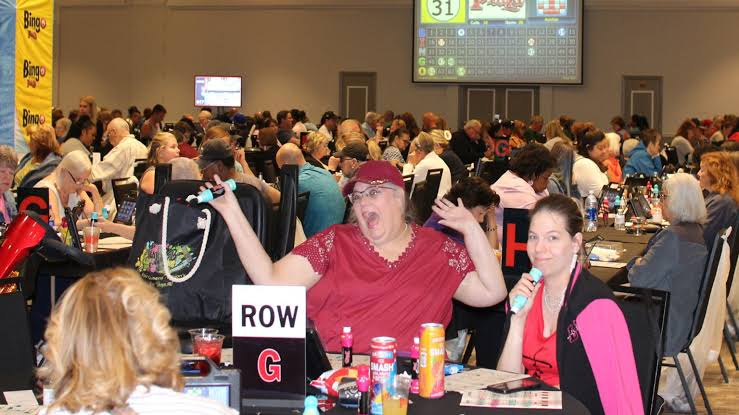
In a community hall, volunteers set up three tables with bingo cards and markers. A caller sits at the front, announcing B5, I18, N34, G57, O72. A player marks each match on their card; after several rounds, one table completes a horizontal line and shouts, “Bingo!” The volunteer hands over a small prize, and the hall fills with applause, making the event feel festive and communal.
A Quick Summary
- Bingo is a chance-based game where players mark numbers on a card as they’re called.
- The goal is to complete a winning pattern and shout “Bingo” to claim the prize.
- It’s popular because it’s easy to learn, social, and offers small, accessible prizes.
Bingo Near Me: Find Bingo Halls and Music Bingo Nearby
This site only collects related articles. Viewing the original, please copy and open the following link:Bingo Explained: A Simple English Guide with Real-Life Examples