
































































Music Bingo Night: How to Run a Fun Fast and Profitable Event

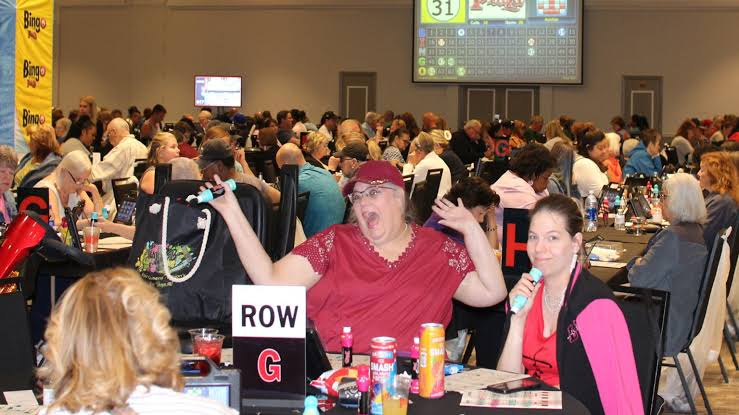
Music bingo is a hit because it blends the fun of bingo with the universal language of music. Imagine a room where people of all ages share laughs, sing along, and compete for prizes—yet the setup is simple enough for a first-timer to run. For example, at a neighborhood bar nights, a host can attract 25–80 players and fill the seats with a steady crowd that stays for multiple rounds.
What is music bingo? It’s bingo with song clips instead of numbers. Players listen to a 15–30 second snippet, then mark the title on a bingo card if it matches. A common format is a winner who completes a row, column, or full card, then shouts “Bingo!” To illustrate, a player hears a clip of “Dancing Queen,” checks their card for the song, and marks the square; the first pattern completed wins after a quick verification round.
Here’s what you need to get started, with concrete examples. You’ll want bingo cards printed with 5×5 grids containing song titles or artists instead of numbers. Build a playlist of 150–200 songs that cover a broad range of eras so there’s something for everyone. Use a reliable PA system with at least two speakers, a laptop or tablet to run the playlist, and fresh markers or pens for players. For larger crowds, a handheld microphone helps you announce rounds clearly and keep the energy high. Typical venues set aside 20–30 minutes for setup and 60–90 minutes for gameplay, with 15-minute breaks between rounds to refresh drinks and snacks.
Choosing a theme helps target your audience. For a mixed crowd, you can mix themes across rounds: a 1980s round with “Girls Just Wanna Have Fun” and “Take on Me,” followed by a modern pop round with “Blinding Lights” and “Levitating.” If your audience leans toward movie fans, include tracks from popular soundtracks like “My Heart Will Go On” or “A Whole New World.” You can also run a holiday round at seasonal events, using classics like “All I Want for Christmas Is You.”
Create or source your bingo cards so that each one is unique and aligned with your playlist. You can use online music bingo card generators, or design your own with a tool like Google Sheets. If you print 100 cards for a night, you’ll likely need 3–4 different editions to prevent early crowding of the same cards. Make sure the song titles on the cards match exactly the titles in your playlist to avoid confusion during play.
Running the game smoothly is all about a steady rhythm. Start by greeting players, explain how to mark cards, and outline how many patterns count as wins (one line, two lines, or a full card). Play 15–25 seconds of each clip, then give players 20–30 seconds to review and mark their cards. After the clip set, verify the winner by replaying the relevant clips to confirm the marked songs. If a sound clash or a dispute arises, calmly review the clips and show your rules clearly to keep things fair.
Keeping energy high matters more than fancy tricks. A friendly host who jokes between rounds and drops quick fun facts—like “this song was released the same year as the host’s birth”—keeps people engaged. Encourage singing along and light participation. Offer small bonuses like “nearest to Bingo but not yet” prizes to maintain momentum between rounds. For example, give away a free drink voucher or a quirky music-themed prize after each round to keep spirits positive.
Prizes should feel rewarding without breaking the bank. You can offer gift cards of $10–$25, a couple of free menu items, or vinyl records and concert tickets for larger events. If you’re hosting a fundraiser, donate a portion of proceeds to a local cause and highlight the impact on the night’s tally. Consider a tiered prize structure: a primary prize for the first winner, a secondary prize for a second winner, and a consolation prize for near-misses.
To avoid hiccups, test everything before showtime: check your audio levels, have backup playlists, and ensure all cards can be scanned or marked without a mess. Print extra copies of rules and use a simple one-page handout so new players grasp the game quickly. Schedule short breaks—5–10 minutes after every three rounds—to rest voices and reset the room.
In short, a well-run music bingo night blends clear rules, a diverse song catalog, practical gear, and an inclusive vibe. With thoughtful planning, even a first-time host can deliver a night that’s easy to follow, enjoyable to play, and likely to become a regular event.
Would you like this tailored for a specific setting, such as a bar, fundraiser, or house party, with a ready-to-use playlist and printable bingo cards?
Bingo Near Me: Find Bingo Halls and Music Bingo Nearby
This site only collects related articles. Viewing the original, please copy and open the following link:Music Bingo Night: How to Run a Fun Fast and Profitable Event