





































































Where Do Foreigners Hang Out in Hong Kong? Top Expat Hotspots 2024

Where Do Foreigners Hang Out in Hong Kong?
Hong Kong is home to one of the largest expat populations in the world, with over 170,000 foreign residents living here as of 2024. Foreigners tend to gather in specific neighborhoods that offer international food, bars, and a strong sense of community. If you’re new to Hong Kong or just visiting, here are the top spots where you’ll most likely find foreigners hanging out.
Lan Kwai Fong (LKF) in Central is the most famous nightlife spot for expats. This tiny area has more than 50 bars and clubs within just a few blocks. Every weekend, thousands of foreigners fill the streets, especially around 9 PM when the party scene heats up. LKF is also unique because it’s the only place in Hong Kong where drinking in public is allowed. Popular spots here include Velvet, a multi-level dance club, and The Blinder, a cozy British pub that hosts sports events for expats.
Soho, located right next to LKF, has become the top spot for younger expats in their 20s and 30s. Over 60% of the bars in Soho are owned or frequented by foreigners. Staunton Street draws a more mature crowd with wine bars like Liberty, while Peel Street is packed with younger professionals at places like Hawksters, which serves Southern American food and has a rooftop bar. Many expats say Soho is better than LKF for meeting new people because it’s less chaotic and more conversation-friendly.
Wan Chai, especially Lockhart Road, is known as the favorite for expat businessmen. This area has more than 30 bars and restaurants that cater to international workers. After work hours, you’ll see groups of foreign professionals heading to spots like Planetter, a popular sports bar, or The Lovers, a cocktail lounge with a retro vibe. Wan Chai is also close to the Hong Kong Convention Center, where many business events happen, making it a natural meetup spot.
Central and Sheung Wan have many hidden gems where expats gather. Wyndham Street is where many night outs start, with bars like hummus & wine offering Mediterranean food and drinks. A small square off Man Nin Street has at least 10 bars and restaurants filled with foreigners every evening. One great example is Grapes, a wine bar that hosts trivia nights every Thursday, attracting over 50 expats regularly.
Stanley is the top weekend spot for expat families. Located at the southern tip of Hong Kong Island, Stanley Market draws over 10,000 visitors every Saturday and Sunday, with about 30% being foreign residents. The area has a colorful market street, seafood restaurants like Kam Sing, and a relaxed harbor view. Families often meet here for brunch at The Bakery, which serves international pastries and coffee.
Causeway Bay is the best shopping area in Hong Kong and a popular meetup spot for expats. More than 200 international brands are available here, and coffee shops like % Arabica and Starbucks Reserve are where expats arrange to meet friends. The area also has top restaurants like Nobu, a Japanese sushi spot favored by foreign business executives, and Festival Walk, a mall with a cinema where expats gather for movie nights.
The Victoria Harbour Promenade stretches over 3.5 kilometers and is loved by both locals and expats for exercise and views. Every night at 8 PM, the “Symphony of Lights” show happens, drawing over 5,000 people, including many foreign residents. Expats often jog here in the early morning or evening, and groups meet at the Clock Tower for photos. It’s also a common spot for expat running clubs that organize weekly 5K runs.
Sai Kung, located on the eastern side of Hong Kong, has a relaxed seaside vibe and a strong expat community. Over 15% of Sai Kung’s residents are foreigners, and the area has more than 20 international restaurants. Popular spots include Water’s Edge, a café with ocean views, and The Cliff, a bar that hosts live music on weekends. Many expats who live in Sai Kung meet here for weekend hikes at Clear Water Bay or boat trips.
Mong Kok’s Dundas Street is where expats come to try authentic Hong Kong street food. Over 10 street food stalls operate here every night, serving dishes like egg waffles and curry fish balls. Expats mix with locals at stalls like Tung Le,which has been open for 30 years and serves over 500 customers daily. This area is great for foreigners who want to experience real Hong Kong culture without the tourist traps.
If you prefer networking over bar hopping, expats in Hong Kong join many clubs and societies. The Foreign Correspondents Club has over 1,200 members and hosts weekly dinners. The American Women’s Association has 800 members and organizes charity events. The China Club, a private business club, has 600 members including many foreign executives. Sailing is also huge, with the Hong Kong Yacht Club hosting races that attract 200+ expats each month.
FAQ
How to Play Standing Bingo
How to Play Standing Bingo Standing bingo is a simple game that mixes the usual bingo rules with light movement, so players stay active while they play. It works well for classrooms, events, team activities, and party games because it is easy to set up and easy to follow. The main goal is still the same: be the first person to complete the winning pattern on the bingo card. What You Need To start, each player needs one bingo card, a marker, and enough space to stand comfortably.
How to Download WSOP NV
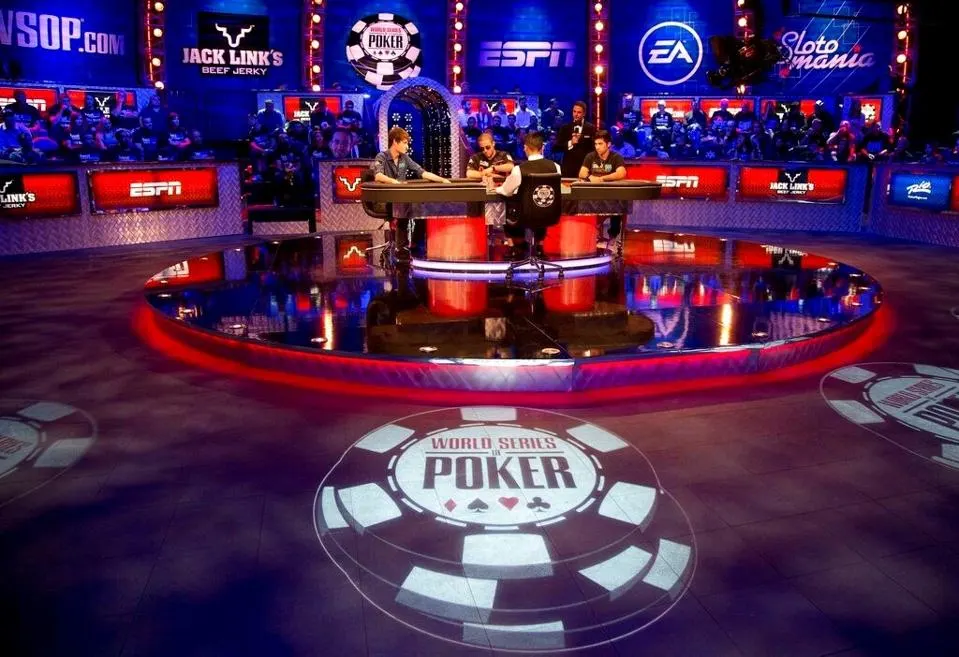
How to Download WSOP NV 1. Visit the WSOP site 2. Locate the download link and click on it 3. When the download completes, run the installation on your device 4. When the installation completes, you can log in with your existing account or register if you do not already have one 5. Make a deposit via the mobile interface to fund your account 6. You will have access to all tournaments and cash games available via the desktop software
Hong Kong Red Light District Guide
Hong Kong does not have one single officially designated red-light district, but the places most often mentioned are Wan Chai on Hong Kong Island and Portland Street in Mong Kok, Kowloon. Wan Chai is often linked with nightlife, bars, and adult entertainment, while Portland Street has long been known for similar activity in a busy urban setting. For example, Wan Chai’s Lockhart Road area is widely associated with late-night entertainment, and Portland Street is frequently described as one of Kowloon’s best-known red-light zones.
Bingo Near Virginia Beach: Local Venues Schedules and Tips
Local venues and centers host regular bingo sessions: community centers, senior centers, and fraternal organizations like VFW halls or Elks clubs often run affordable bingo nights on weekdays or weekends, with entry fees typically under $20 and prizes that scale with participation. Religious and youth organizations are dependable options: many churches and parish halls schedule weekly or biweekly bingo fundraisers, sometimes offering family-friendly times and low-cost cards; libraries and recreation departments also partner for community events that include bingo.
Music Bingo: The Ultimate Party Game You Need to Try
Bingo with music is called Music Bingo (also known as Musical Bingo), and it has become a popular party game that combines classic bingo fun with the excitement of music. The game replaces numbers with songs, so instead of waiting for numbers like 7 or 23 to be called, players hear 15-to-30-second song clips and mark matching song titles or artist names on their cards. This fun twist has grown into a global phenomenon played at thousands of bars, pubs, and events worldwide, with dedicated platforms like Music Bingo.
Bingo Near Me: Find Bingo Halls and Music Bingo Nearby
This site only collects related articles. Viewing the original, please copy and open the following link:Where Do Foreigners Hang Out in Hong Kong? Top Expat Hotspots 2024